
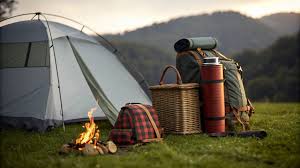
Packing for a weekend in the wild can feel like preparing for a small expedition, even if it’s just a couple of nights.
But then reality hits: what exactly should you bring to survive comfortably without lugging around half your house?
How do you balance practicality with a touch of luxury, especially when you want to unplug but still stay connected to some essentials?
Shelter
Let’s start with the obvious: where are you going to sleep? A sturdy, weather-appropriate tent is non-negotiable.
And yes, sleeping pads or air mattresses aren’t just luxuries—they buffer your back from the rocky, uneven ground.
A well-chosen sleeping bag can mean the difference between a cozy snooze and a frosty, restless night.
And don’t forget those little extras—a compact camping pillow, a tarp in case of unexpected rain, and maybe even a lightweight camping chair.
Food, Water
Food and water are deceptively simple but require some planning. Hydration is obvious, but it’s often underestimated.
Bring enough water for drinking, cooking, and even a splash for washing up—nature doesn’t always provide an easily accessible, clean source.
For meals, think versatile: dehydrated meals, pre-marinated meats, and quick-cook grains can save time while still feeling gourmet after a day on the trails.
And while we’re on the subject, a basic set of utensils, a mess kit, and perhaps even a small cutting board can make cooking less of a chore and more of a pleasure.
Snacks deserve their own mention. Energy bars, nuts, trail mix—they’re small, lightweight, and offer that critical pick-me-up during hikes or late-night stargazing.
Clothing
Nature has a quirky sense of humor. One moment it’s sunny; the next, clouds roll in like an ominous curtain. That’s why layering isn’t optional—it’s essential.
Start with moisture-wicking base layers to keep sweat away from your skin, add insulating layers for warmth, and top it off with a waterproof jacket in case the weather decides to throw a tantrum.
Footwear is another story. Hiking boots, ideally waterproof and broken in, can save your feet from blisters and muddy misery.
And yes, extra socks—never underestimate how a dry pair can boost morale when everything else feels damp.
Hats, gloves, and even a buff can provide unexpected comfort, especially in transitional seasons.
Lighting and Navigation
A weekend trip can quickly descend into chaos if you’re fumbling for light after sunset. Flashlights, headlamps, and lanterns are more than conveniences—they’re essential tools for safety and peace of mind.
Maps and compasses might seem old-school in the age of GPS apps, but technology can fail. A physical map tucked into a waterproof sleeve can be a literal lifesaver. Honestly, it’s a bit like insurance: you hope you won’t need it, but if you do, you’re extremely grateful it’s there.
Power
Even if you’re aiming for a digital detox, having a way to power essential devices isn’t a bad idea. Phones for emergencies, cameras to capture those breathtaking sunrise shots, and even a small fan or light source can depend on a reliable energy supply.
For this, ALLPOWERS power stations are a highly efficient choice. These portable units are designed to handle everything from charging a laptop to running a mini-fridge.
First Aid
A well-stocked kit with bandages, antiseptics, pain relief, and a few specialty items (think allergy meds or blister pads) can make all the difference. You never know when a small scrape or unexpected headache could spiral into a bigger issue if you’re unprepared.
While we’re at it, safety also includes tools like a multipurpose knife, duct tape (more versatile than most people realize), and a whistle.
Keeping Devices Charged: The Quiet Lifeline
Even if you’re aiming for a digital detox, having a way to power essential devices isn’t a bad idea. Phones for emergencies, cameras to capture those breathtaking sunrise shots, and even a small fan or light source can depend on a reliable energy supply.
Entertainment
Bring along a deck of cards, a good book, or a sketchpad. A journal can be therapeutic, letting you capture the subtle symphony of crickets, wind through the pines, or even the awkward comedy of trying to cook beans over a tiny stove. Music? Sure, but consider a small Bluetooth speaker and keep the volume respectful of the wilderness.
Conclusion
So, when you lay out your plan for a weekend camping trip, think of it as an ecosystem.
Every item you bring should serve a purpose within your ecosystem, acting as a bridge between the unpredictability of the elements and the comfort required to actually enjoy them.
By prioritizing a balanced kit—from the structural integrity of your tent to the reliable current of your power stations—you insulate yourself against the friction of outdoor living.


